Sea Turtle Nesting on Sarasota and Venice Beaches |
What the nest counts tell us and how to protect the shore through October |
October beach walks in Sarasota and Venice still come with an important responsibility: sharing the sand with sea turtles.
The quieter stretch of the season is a good time to understand what researchers count, what those numbers mean, and how everyday beach habits can help.
Mote Marine Laboratory & Aquarium publishes nesting updates for beaches from Longboat Key through Venice, giving residents a local window into activity along this coastline.
Its 2026 reporting remains preliminary, with final figures due after the season ends October 31 and researchers review the data.
Reading the numbers correctly
A nest tally records nesting activity; it is not a head count of every turtle living offshore.
A female can lay more than one nest, while males and turtles that do not nest that year are absent from a beach nest tally.
More nests and more turtles are different measurements.
Comparisons also need consistent boundaries: a Venice count, a countywide count, and a total for Mote’s entire patrol area should not be treated as interchangeable.
Before sharing a number, check the year, the beach covered, and whether the figure represents nests, false crawls, or hatchlings.
A false crawl means a turtle came ashore without leaving a nest.
Mote’s nesting updates make those distinctions useful for readers who want to follow conservation without turning a promising season into an unsupported population claim.
October is still part of the season
Local nesting-season guidance runs through October 31, so an emptier beach does not mean protective habits can stop.
Marked nests and emerging hatchlings deserve space even when summer crowds have thinned.
Look at the beach as habitat as well as a place for a sunset stroll, a family outing, or an afternoon swim.
That small change in perspective makes the practical guidance easier to remember.
Keep the beach clear and dark
Mote recommends removing beach furniture and other belongings at night, filling holes, and leveling sand structures before leaving.
Those actions help keep the route between the water and nesting areas free of obstacles.
Take litter with you, and give marked nests a wide berth instead of crossing ropes or moving stakes for a photograph.
Artificial light can disorient turtles, so avoid flash photography and shining lights toward nesting adults or hatchlings.
Beachfront residents and visitors should follow turtle-friendly lighting guidance and keep indoor light from spilling onto the sand.
A clear, dark shoreline is something the whole neighborhood can help maintain.
If you encounter a nesting turtle, watch quietly from a distance and leave its route to the water open.
Do not touch turtles, dig into nests, or carry hatchlings into the sea.
Contact trained responders about an injured turtle or hatchlings moving away from the water, rather than trying an improvised rescue.
Follow the local work
Mote’s conservation program combines beach monitoring with research, including tagging and tracking that help scientists understand turtles beyond the nesting beach.
Following that work offers a better picture than a single dramatic headline or an isolated social-media photograph.
For families, a beach visit can become a simple lesson: notice the marked areas, explain why lights matter, and leave the shoreline ready for the next visitor, human or turtle.
There is no need to promise a turtle sighting for the outing to be worthwhile.
Before your next Sarasota or Venice beach trip, review Mote’s current nesting updates and its practical help-sea-turtles guidance.
Check the posted rules at the specific access point, especially when conditions or beach work affect where visitors can go.
The useful question this October is not just how many nests have been counted, but how well residents and visitors protect the beach while the season finishes. |
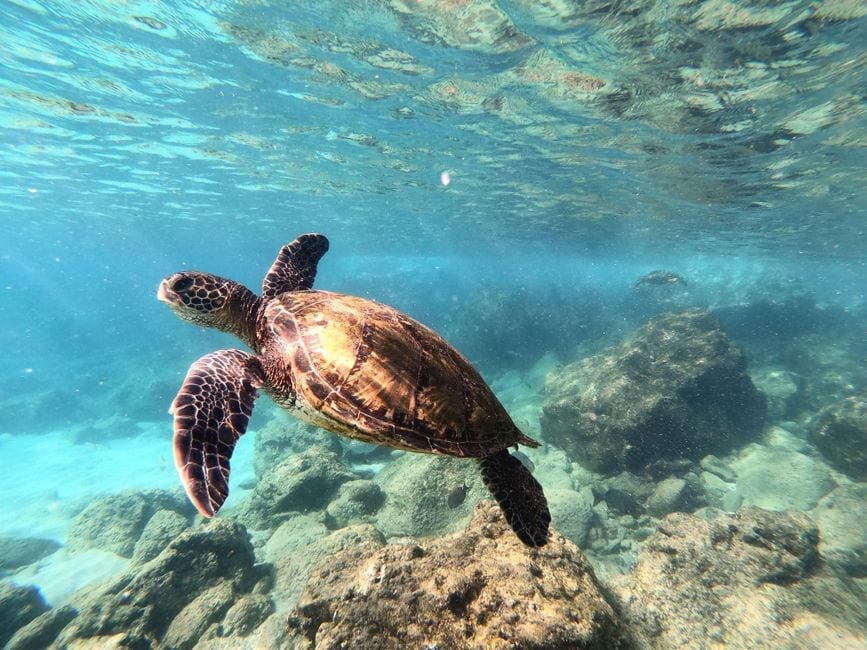
Photo by David Willis on Pexels — Illustrative stock image; not photographed locally. |
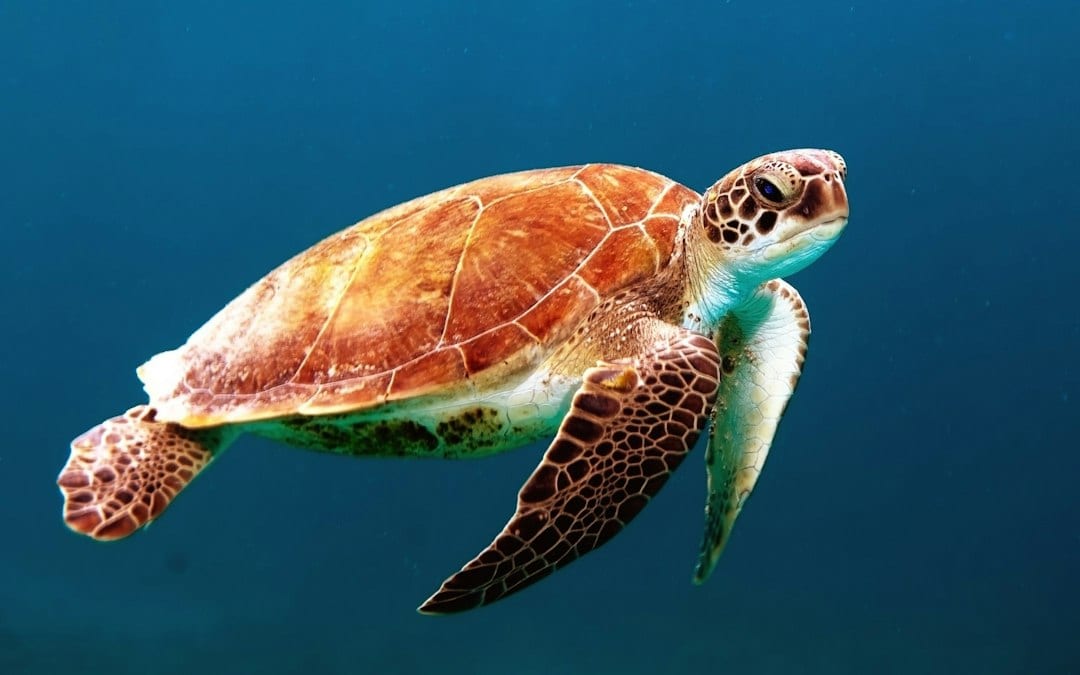 Photo by Wexor Tmg on Unsplash — Illustrative stock image; not photographed locally. |
0 Comments
Join the conversation
Be the first to comment
Share your thoughts above.