
Women’s Hair Care in Sarasota: Build a Gentler Routine |
Practical washing, styling and salon conversations for everyday care |
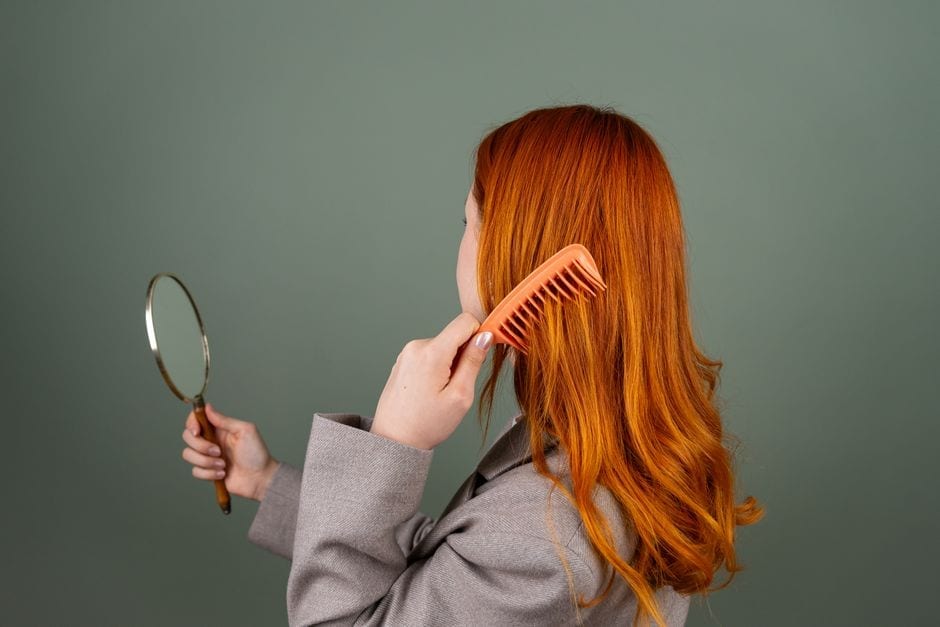
For women in Sarasota, a useful hair-care routine should fit the hair on your head and the way you spend your day.
An outdoor walk, a busy work schedule and a salon appointment can all shape what feels manageable, but no single washing schedule suits everyone.
Start with a few consistent habits and adjust them to your hair’s texture, condition and scalp needs.
Choose a routine that fits
The American Academy of Dermatology recommends choosing products for your hair type and washing according to dirt and oil buildup.
Someone with an oily scalp may need different care from someone with dry curls or chemically treated hair.
Use shampoo mainly on the scalp, then condition after washing.
Fine or straight hair may need conditioner concentrated at the ends, while dry or curly hair may benefit from conditioning along its length.
Your own scalp and strands are better guides than a fashionable universal rule.
Keep the routine easy to repeat: know which shampoo and conditioner you use, how your scalp feels afterward, and whether styling leaves your hair easier to manage.
Change one thing at a time when evaluating a new product so you can tell what helped.
Handle wet hair gently
Detangling should be slow enough that you are not pulling through knots.
The dermatology academy advises a wide-tooth comb and working from the ends upward, with timing adjusted to texture.
For thick curls, detangling with conditioner still in the hair can help; straight hair may be easier to comb after some drying.
Absorb water with a towel or T-shirt instead of rubbing vigorously.
Allow enough time in your morning routine that gentle handling is practical rather than another chore to rush.
Reduce styling stress
Heat tools, tight styles and repeated chemical processing deserve attention when hair feels fragile.
Use a lower heat setting, limit hot-tool sessions and follow directions for a heat-protection product.
Do not keep pulling hair into a painful style to make it look neat.
Repeated tension from tightly pulled hairstyles can cause traction alopecia, and continued pulling can eventually cause permanent loss.
A style should not require persistent pain to stay in place.
Ask a stylist about alternatives that suit your hair texture and daily schedule.
An easy conversation can cover how long the style takes, how often it needs maintenance, and whether it relies on frequent straightening or tight fastening.
Make salon visits more useful
Bring photographs of a look you like, but also explain what you can realistically do between appointments.
Mention previous color, relaxers, perms and other chemical services before agreeing to a new treatment.
The academy’s coloring guidance advises allowing time between chemical services and avoiding combinations that compound damage.
Ask your stylist to explain the maintenance plan before starting, including expected return visits and the products being recommended.
Discuss the full price in advance so a comfortable appointment stays comfortable at checkout.
A salon can help with cutting, styling and managing processed hair, while a dermatologist evaluates medical scalp and hair-loss concerns.
Notice changes that need attention
New thinning, unexplained shedding or a persistently uncomfortable scalp deserves an evaluation rather than a growing collection of miracle products.
The academy recommends seeing a board-certified dermatologist to identify the cause of hair loss.
Do not assume a hair-growth supplement is necessary or harmless, because excess amounts of certain nutrients can worsen hair loss.
A clinician can help decide whether testing or treatment is appropriate.
Keep a short record of when the change began and any recent treatments or product changes to make the appointment more useful.
For everyday care, aim for clean hair, gentle handling and a style that works with your routine.
The best next step may be a smaller adjustment, a better salon conversation or professional evaluation, depending on what you are noticing. |
Photo by Beyzanur K. on Pexels — Illustrative stock image; not photographed locally. |
 Photo by averie woodard on Unsplash — Illustrative stock image; not photographed locally. |
0 Comments
Join the conversation
Be the first to comment
Share your thoughts above.